Critical Remote Sensing: alternative trajectories of Earth Observation for Just Transition
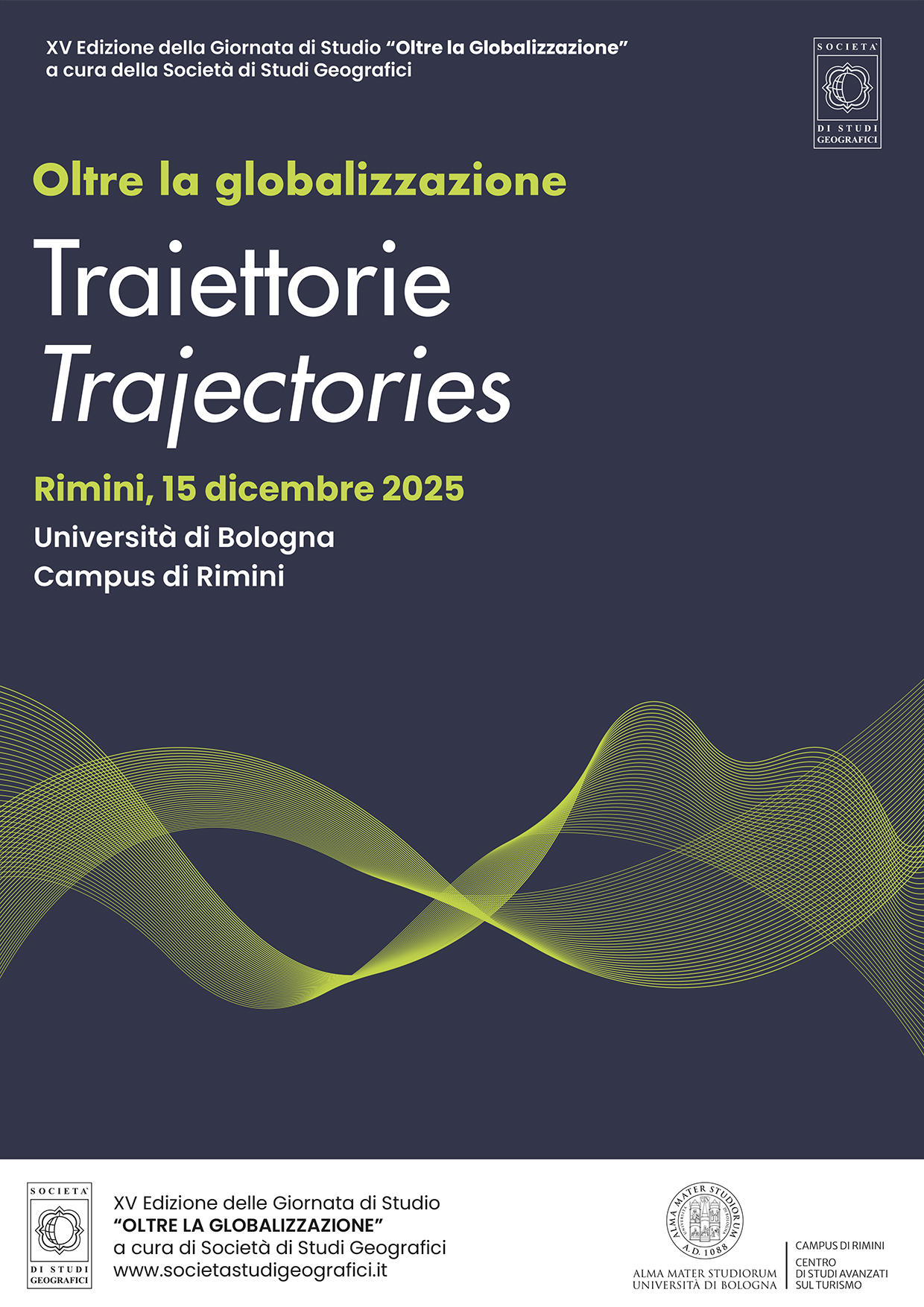
In this page there are all the multimedia and presentations materials of the second day titled “Critical Remote Sensing: alternative trajectories of Earth Observation for Just Transition” of the Second International Conference on Climate Actions and Just Transiton as a conference session inside “XV Edizione della Giornata di Studio “Oltre la globalizzazione: Traiettorie/Trajectories”, Società di Studi Geografici held on 15th December 2025 organized by Jean Monnet Centre of Excellence on Just Fossil Fuel Transition and international research group “Climate Change, Territories, Diversity” of University of Padova, Italy
Speeches
Mapping the Escalation of War. Citizen Production as a Deconstruction of Militarization in Mediterranean Territories
Movimento No Base
Movimento No Base is an Italian grassroots civic movement that opposes the construction and expansion of military infrastructure, particularly the proposed military base in the San Rossore–Coltano area near Pisa, Tuscany. The movement brings together local residents, environmental groups, activists, researchers, and civil-society organizations concerned about the environmental, social, and democratic implications of military development projects.
Towards the Atlas of Unburnable Carbon in Brazil: critical GIS for the Just Fossil Fuel Transition
Vanja Markovic
STOP EACOP: an interactive webGIS to visualize a disaster in the making
Aidah Nakku
Aidah Nakku is a Ugandan climate activist and environmental advocate, best known as the founder of the Rise Up Movement, a youth-led organization working to advance climate justice, environmental awareness, and community resilience in Uganda.
Critical remote sensing in practice: community drones, engaged ethnography, and airspace struggles in Latin America
Nicolás Vargas-Ramírez
Nicolás Vargas-Ramírez is a researcher at the Centro de Investigaciones Multidisciplinarias sobre Chiapas y la Frontera Sur of Universidad Nacional Autónoma de México. His work focuses on the intersections of political ecology, environmental governance, territorial conflicts, extractivism, and community resistance movements, particularly in southern Mexico and Latin America.
Critical remote sensing to track unleakable carbon: using satellite imagery to track post-ban gas flaring activities in the Ecuadorian Amazon
Alberta Pavone
Community energy (energias comunitaria) in transition from fossil fuels
CENSAT Agua Viva
CENSAT Agua Viva (Centro Nacional Salud, Ambiente y Trabajo) is a Colombian environmental justice organization working alongside communities, social movements, and grassroots organizations to defend territories, promote environmental justice, and advance alternatives to extractive development models. It is particularly known for supporting communities affected by mining, fossil fuel extraction, large infrastructure projects, and environmental degradation. The organization promotes territorial autonomy, climate justice, community-led environmental governance, agroecology, and a just socio-environmental transition.
The MethaneSAT Mission: a non-governmental satellite to measure methane emissions
Mark Omara
Mark Omara is a Senior Scientist with MethaneSAT, where he works on advancing the measurement and analysis of methane emissions using satellite observations, atmospheric science, and data-driven monitoring approaches. His research focuses on methane emissions quantification, greenhouse-gas monitoring, atmospheric measurements, and climate-change mitigation. He has extensive experience in developing and applying scientific methods to detect, measure, and verify methane emissions from sources such as oil and gas operations, landfills, and agricultural activities.
